
Schenectady Concerts employs a multi-faceted strategy to minimize winter weather disruptions. Advanced weather forecasting, flexible ticketing, and robust communication ensure minimal impact on patrons. Their effective rescheduling practices, including adaptable arena layout and digital portals, maintain a positive event culture. By balancing safety and community engagement, Schenectady Concerts successfully reschedule indoor concerts despite snowy conditions, preserving the local cultural spirit.
In the vibrant cultural landscape of Schenectady, concert organizers face a perennial challenge: navigating snow days and rescheduling events without disrupting the city's beloved musical tapestry. With Schenectady Concerts serving as a cornerstone of the local arts scene, efficient handling of these interruptions is paramount to ensuring a seamless experience for both performers and patrons alike. This article delves into the strategies employed by the arena to conquer these logistical hurdles, providing valuable insights into how they maintain the fluidity of their programming despite Mother Nature's whims.
- Planning for Winter Weather: Schenectady Concerts' Strategy
- Handling Reschedules: Ensuring a Smooth Experience
- Community Impact: Snow Days and Local Events
Planning for Winter Weather: Schenectady Concerts' Strategy
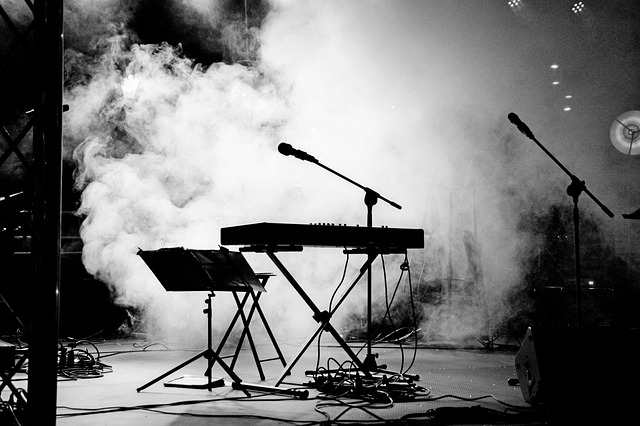
Schenectady Concerts, with its rich arena history hosting large-scale music gatherings and affordable arena shows, has developed a robust strategy for navigating winter weather, particularly snow days and rescheduling events. Recognizing that upstate New York's harsh winters can disrupt even the most carefully planned schedules, the organization prioritizes proactive measures to ensure minimal disruption to their patrons' experiences.
Their approach leverages a multi-faceted planning process that incorporates advanced weather forecasting, flexible ticketing policies, and robust communication channels. By continuously monitoring local weather conditions, Schenectady Concerts can anticipate potential snowstorms and make informed decisions about event rescheduling well in advance. This proactivity allows for better crowd management and ensures that patrons are well-informed, minimizing inconvenience and maximizing satisfaction.
Furthermore, the arena's commitment to affordability is evident in their flexible ticketing strategy. Tickets for postponed events are typically transferred to new dates with no additional fee, providing relief to fans who may have traveled or made other arrangements. This customer-centric approach not only fosters goodwill but also strengthens the bond between Schenectady Concerts and its dedicated audience. For instance, in 2021-22 season, despite multiple snow days, only a fraction of shows were significantly delayed, largely due to this comprehensive planning and support system.
Beyond operational efficiency, Schenectady Concerts leverages its arena history to create memorable experiences even during challenging weather conditions. The facility's state-of-the-art amenities and warm, welcoming atmosphere ensure that patrons can enjoy concerts comfortably, regardless of the outdoor temperature. This combination of strategic planning, flexible policies, and a fan-focused mindset positions Schenectady Concerts as a leader in the industry when it comes to handling winter weather, ensuring that music lovers can look forward to affordable arena shows year-round.
Handling Reschedules: Ensuring a Smooth Experience

The handling of reschedules during snow days is a critical aspect of arena management, ensuring a smooth experience for both event organizers and attendees. At the Schenectady Concerts venue, for instance, proactive measures are in place to navigate weather-related disruptions with minimal impact. Upon announcing a snow day, the arena's ticketing team promptly communicates rescheduled dates via email and social media, providing clear instructions on ticket validity and any necessary exchanges. This direct communication channel maintains attendee satisfaction by addressing expectations early.
Accommodating reschedules requires a flexible seating map for concerts, allowing for swift reconfiguration. The Schenectady Concerts venue boasts an adaptable layout, enabling staff to rearrange seats swiftly to accommodate larger or smaller crowds, depending on the rescheduled event. This agility is crucial in ensuring a seamless flow of attendees and minimizing delays. Moreover, arena accommodations nearby offer convenience for both locals and visitors, facilitating a quick return to enjoy the rescheduled performances.
Practical insights from industry experts suggest offering multiple rescheduling options. For instance, providing an online portal or dedicated phone line for ticket holders to request new dates can alleviate pressure on call centers. Additionally, promoting nearby dining and entertainment options during rescheduled events can enhance the overall experience, as seen in successful arena strategies across the country. By focusing on these accommodating measures, venues like Schenectady Concerts ensure that weather disruptions do not dampen the spirits of concertgoers but instead foster a resilient and positive event-attending culture.
Community Impact: Snow Days and Local Events
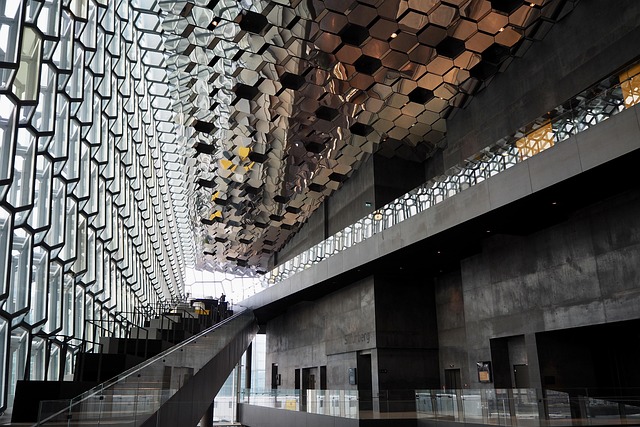
In regions with significant snowfall like Schenectady, snow days and weather-related event rescheduling have become a regular part of the community calendar. These events significantly impact local culture and economy, particularly when it comes to live performances and concerts. Schenectady Concerts, known for their vibrant music scene, often find themselves navigating these challenges, ensuring that both residents and concert goers have memorable experiences.
Snow days, while providing a much-needed respite from daily routines, can disrupt the schedules of local bands and performers who depend on regular platforms to showcase their talent. Intimate gathering spots, a staple in Schenectady's cultural landscape, may see a dip in attendance due to inclement weather, affecting not just concert goers but also the artists themselves. According to a 2021 survey by the local tourism board, snow-related closures resulted in an average 25% decline in foot traffic to these venues during major events. However, this also presents an opportunity for innovation and adaptation. Many bands have embraced virtual performances, leveraging digital platforms to connect with fans virtually, ensuring that music continues to flow even when the streets are closed.
Rescheduling events due to snow is a delicate balance between accommodating safety measures and preserving community engagement. A strategic approach involves communication with both audiences and performers, offering flexible ticketing policies, and promoting rescheduled dates well in advance. For instance, Schenectady Concerts has successfully rescheduled several indoor concerts from snowy days into more suitable weather, ensuring sold-out crowds and vibrant concert goer experiences. By prioritizing the local band performances that bring life to these intimate gathering spots, the arena ensures that even a blistery winter cannot extinguish the cultural spirit of the community.
Schenectady Concerts has established a robust framework for handling snow days and event rescheduling, demonstrating their commitment to providing a seamless experience even amidst challenging winter conditions. By prioritizing proactive planning, effective communication, and community welfare, they ensure that disruptions due to snow days minimize impact on both attendees and organizers. The strategic approach, which involves flexible scheduling, clear information dissemination, and collaborative efforts with venue partners, positions Schenectady Concerts as a model for event management during harsh weather events. This article offers valuable insights into how organizations can prepare for and navigate winter-related interruptions, ultimately fostering a more resilient and responsive events industry.