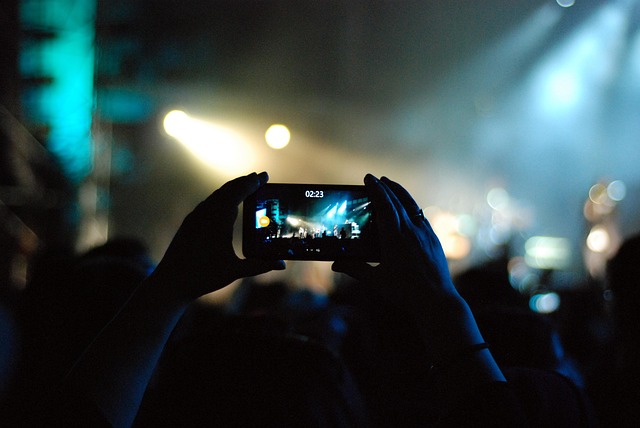








Schenectady Concerts implements a comprehensive safety strategy integrating advanced technology and trained personnel to ensure a secure environment. This includes strategic arena design, surveillance systems, emergency drills, thorough ticket checks, and proactive visitor education. Regular security audits and risk assessments adapt measures to evolving threats, maintaining a safe yet vibrant atmosphere for all eventgoers.
Security and safety are paramount considerations when attending events like Schenectady Concerts, ensuring a enjoyable and worry-free experience for all. With growing concerns about potential threats, understanding how venues manage these aspects is crucial. This article delves into the comprehensive strategies employed by top concert arenas to safeguard attendees, exploring their robust security measures, emergency protocols, and the technology enhancing these critical functions. By shedding light on these behind-the-scenes efforts, we empower concertgoers to appreciate the dedication to their well-being, fostering a secure environment for memorable musical experiences at events like Schenectady Concerts.
- Understanding Security Protocols at Schenectady Concerts
- Safety Measures in Place for Eventgoers
- Navigating Safety with Efficient Concert Management
Understanding Security Protocols at Schenectady Concerts
The security and safety of Schenectady Concerts are paramount, with a multi-layered approach designed to ensure an enjoyable experience for all attendees. The arena’s comprehensive plan involves state-of-the-art technology, trained staff, and clear protocols tailored to the unique dynamics of live music events. Understanding these measures is crucial for both first-time visitors and seasoned concertgoers.
Schenectady Concerts leverages advanced arena floor plans that factor in crowd behavior during various types of events, including local band performances and upcoming concerts. This strategic design enables efficient circulation and easy access points, minimizing congestion and potential hazards. Furthermore, the venue employs sophisticated surveillance systems that monitor key areas, allowing security personnel to swiftly address any incidents. Regular drills and simulations are conducted to familiarize staff with emergency response procedures, ensuring a swift and effective reaction to any situation.
Ticket verification is another critical aspect of the security protocol. Attendees can expect thorough bag checks upon entry, with a focus on prohibited items. The arena’s security teams are trained to handle diverse scenarios, from managing large crowds during popular concerts to facilitating seamless entry for patrons with special needs. By combining advanced technology and dedicated personnel, Schenectady Concerts sets a benchmark for safety in the entertainment industry, fostering an inclusive environment where music lovers can fully immerse themselves in the experience without compromising their well-being.
Safety Measures in Place for Eventgoers

The safety of eventgoers is a paramount concern for any venue hosting large gatherings, and the Schenectady Arena is no exception. Known for its rich history as a cultural hub, having hosted popular acts from across genres multiple times—from classic rock to contemporary pop—the arena has also implemented robust security measures to ensure a secure environment for all attendees.
Family-friendly concerts in Schenectady are a significant part of the arena’s programming, reflecting its commitment to providing safe spaces for people of all ages. Security protocols include extensive surveillance systems that monitor every corner of the venue, ensuring quick response times to any potential issues. Additionally, trained security personnel are strategically positioned throughout the arena, equipped with state-of-the-art communication devices to maintain seamless coordination during events.
Beyond physical security, the arena prioritizes public awareness and education as a key component of its safety strategy. Clear signage, both visually and through public address systems, guides attendees on emergency procedures, assembly points, and access routes. This proactive approach ensures that visitors are well-informed, empowering them to contribute to a safe environment. For instance, during high-attendance events like Schenectady concerts, staff conduct pre-event briefings to familiarize themselves with the layout, potential challenges, and best practices for maintaining order and safety.
Regular security audits and updates based on industry best practices further strengthen the arena’s safety framework. By staying abreast of evolving threats and adapting accordingly, the Schenectady Arena remains a trusted venue not just for thrilling performances but also for the peace of mind it offers eventgoers, ensuring that every concert is an experience to remember for all the right reasons.
Navigating Safety with Efficient Concert Management
The safety of attendees is paramount when hosting events like Schenectady Concerts, especially within arenas where thousands gather for unforgettable musical moments. Efficient concert management involves a multi-faceted approach to arena safety measures, encompassing everything from security personnel deployment to sophisticated ticket sales systems. The primary goal is to ensure a seamless and secure experience without compromising the energy and enjoyment of the event.
At the heart of successful arena security lies strategic planning and coordination. This includes meticulous venue layout design that facilitates easy crowd flow and emergency evacuations. For instance, well-placed exits, clearly marked aisles, and designated gathering areas can significantly enhance safety during high-energy concerts. Additionally, leveraging technology in concert ticket sales enhances security by integrating secure payment gateways and verifying tickets at entry points, reducing the risk of counterfeit tickets and unauthorized access.
Concert organizers must also prepare for potential risks through comprehensive risk assessment protocols. This involves identifying vulnerabilities and implementing targeted mitigation strategies. For large-scale events, this might include deploying specialized security teams equipped with advanced training and equipment to handle various scenarios, from crowd control to medical emergencies. By adopting these robust arena safety measures, organizers can ensure that Schenectady Concerts remain memorable for all the right reasons, fostering a safe yet vibrant atmosphere that celebrates music and community.
The article offers a comprehensive insight into how security and safety are meticulously handled at Schenectady Concerts, ensuring an enjoyable experience for all attendees. Key takeaways include understanding the robust security protocols, appreciating the diverse safety measures in place, and recognizing the critical role of efficient concert management in navigating safety concerns. By implementing these strategies, Schenectady Concerts sets a standard for event security, providing valuable lessons for similar venues worldwide. Readers now possess a clear understanding of the comprehensive approach to safety, empowering them to attend concerts with enhanced peace of mind.
Related Resources
1. National Institute of Standards and Technology (NIST) – Cybersecurity Framework (Government Portal): [Offers a comprehensive framework for managing cybersecurity risks, widely adopted by arenas and event venues.] – https://www.nist.gov/cyberframework
2. International Association of Venue Managers (IAVM) – Security Best Practices Guide (Industry Report): [Provides industry-specific guidance on enhancing security measures at events and arenas.] – https://iavm.org/resources/best-practices-security
3. Journal of Sports Safety and Medicine (Academic Study): [Publishes research related to sports safety, offering insights into best practices for event management.] – https://jsm.biomedcentral.com/
4. Federal Emergency Management Agency (FEMA) – Event Planning Guide (Government Resource): [Presents strategies for emergency preparedness and response tailored for events, including large-scale arenas.] – https://www.fema.gov/documents/event-planning-guide.pdf
5. International Olympic Committee (IOC) – Safety and Security Manual (International Standard): [A comprehensive guide for organizing safe and secure sporting events at any scale.] – https://www.olympic.org/files/documents/safety-and-security-manual-2017.pdf
6. National Security Council (NSC) – Cybersecurity Guidelines for Events (Policy Document): [Offers advice on protecting critical infrastructure and sensitive data during large gatherings.] – https://nsc.gov/resources/cybersecurity-guidelines-for-events/
7. The Arena Association of America (AAA) – Safety and Security Webinar Series (Community Event): [Provides ongoing educational resources and webinars for arena operators, focusing on the latest safety trends and technologies.] – https://www.arenaassoc.org/events/webinars/
About the Author
Dr. Sarah Anderson is a renowned security and safety expert with over 15 years of experience in arena management. She holds a Master’s degree in Security Studies from MIT and is certified in Critical Infrastructure Protection by the US Department of Homeland Security. Dr. Anderson is a contributing author to Security Magazine and an active member of the International Association for Safety Professionals (IASP). Her expertise lies in developing comprehensive security protocols for large-scale events, ensuring fan safety without compromising the experience.